

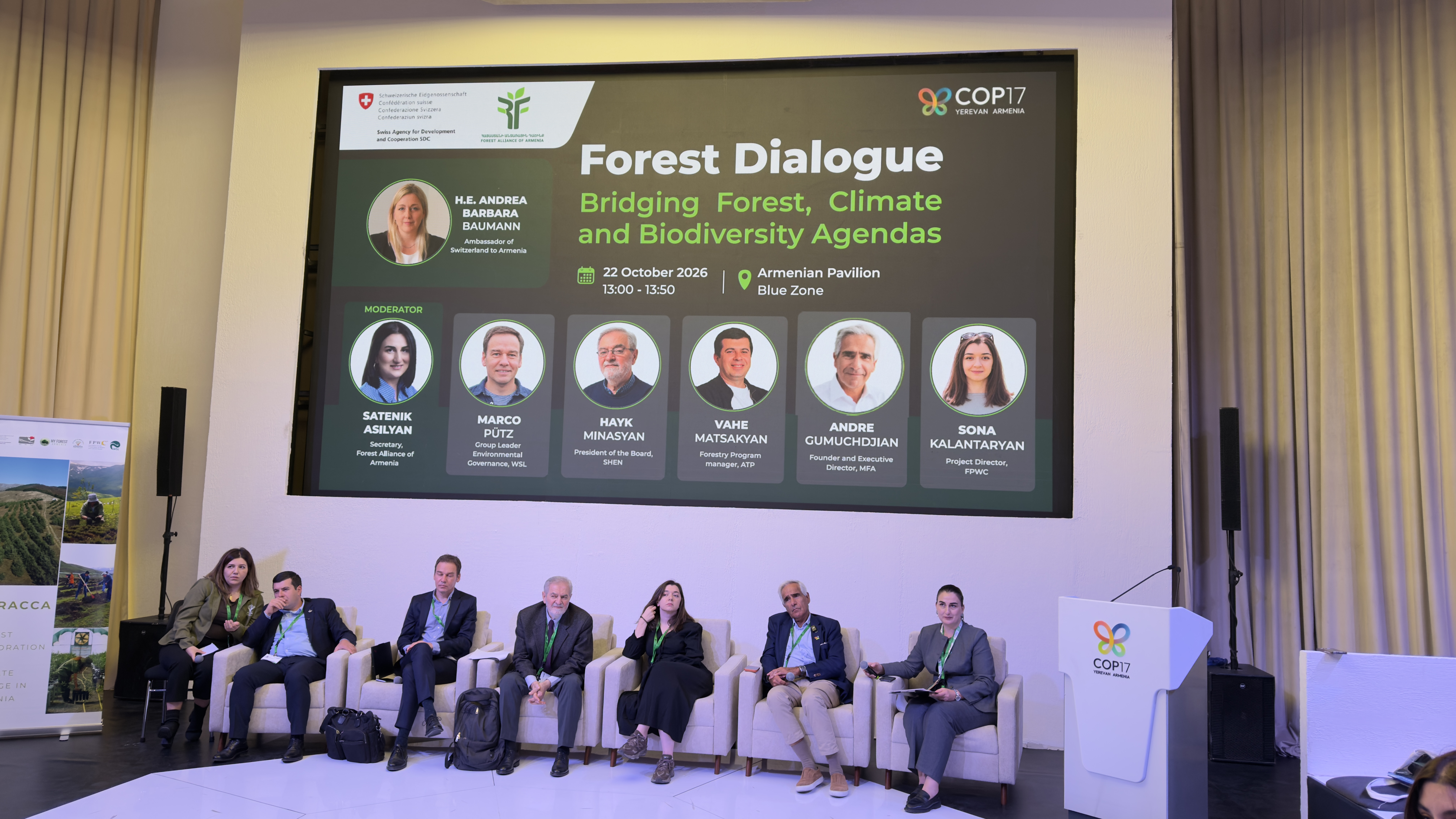
COP17: Forest Restoration in the Context of Science, Policy, and Community Cooperation
The discussion brought together representatives from member organizations of the Forest Alliance of Armenia and the Swiss Federal Institute for Forest, Snow and Landscape Research (WSL) to address the interlinkages between forest restoration, the strengthening of climate resilience, and the conservation of biodiversity.
The event opened with welcoming remarks from Andrea Barbara Baumann, Ambassador Extraordinary and Plenipotentiary of Switzerland to Armenia.
"For Switzerland, forest restoration is not merely about planting trees." "It involves restoring ecosystem functions, strengthening climate resilience, and preserving biodiversity, while simultaneously supporting the communities that depend on these landscapes," the Ambassador emphasized.
During the panel discussion, topics addressed included the application of scientific data in the development and management of forest policies; opportunities for and obstacles to increasing forest cover; the strengthening of interagency cooperation; the development of agroforestry; and the sustainability of community-based environmental initiatives.
Scientific Data and Forest Policies
Marco Pütz, head of the Environmental Governance research group at WSL, presented on the role of science in forest policy and management processes. The discussion covered the importance of scientific research and data—including the National Forest Inventory—for informed decision-making. Reforestation Policies and Cooperation
Andre Gumuchdjian, founder and executive director of the NGO "My Forest Armenia," addressed the need to strengthen coordination across various levels of public administration regarding forest restoration.
He noted that cooperation between local authorities, state governing bodies, and the relevant ministries remains insufficient, and that strengthening this collaboration is a crucial prerequisite for carrying out forest restoration efforts more effectively.
Opportunities and Obstacles for Increasing Forest Cover
Vahe Matsakyan, head of the reforestation program at the Armenia Tree Project (ATP) charitable foundation, discussed the strategic and socio-economic significance of establishing forests in Armenia, outlining both the opportunities for increasing forest cover and the existing obstacles. He particularly emphasized the importance of allocating new land areas for afforestation.
"ATP has the potential to double, or even triple, its afforestation results if more land is made available," noted Vahe Matsakyan.
Agroforestry and the Restoration of Community Lands
Hayk Minasyan, Chairman of the Board of the SHEN NGO, presented the potential of agroforestry as a tool for restoring degraded community lands, preserving biodiversity, and creating sustainable income sources for farmers.
He highlighted the benefits of agroforestry systems and shelterbelts, including the prevention of soil erosion, increased irrigation efficiency, the conservation of water resources, and the creation of habitats for wildlife. Within the framework of the FORACCA project, SHEN is implementing agroforestry pilot projects in five villages. Other initiatives have also been introduced, which include plans to establish field-protecting forest belts—totaling 20 km in length—across two communities.
Ecosystem Restoration and Community Participation
Sona Kalantaryan, Programs Director at the Foundation for the Preservation of Wildlife and Cultural Assets (FPWC), emphasized the importance of the interconnected implementation of Targets 2 and 3 of the Kunming-Montreal Global Biodiversity Framework. Actions concerning ecosystem restoration and protected areas must be carried out in a coordinated manner, thereby contributing to the long-term conservation of the restored ecosystems. She also emphasized that for the sustainability of environmental projects, it is essential to take into account the specificities of land ownership and usage, as well as the socio-economic challenges faced by local communities.
Particular importance was placed on the development of community capacities, enabling them to independently manage their territories and natural resources, and to ensure the continuity of the environmental initiatives already implemented.
Integrating Science, Policy, and Practical Action
The panel discussion was moderated by Satenik Asilyan, Secretary of the Armenian Forest Alliance.
The scientific approaches and practical experiences of various organizations presented during the discussion highlighted the [importance of integrating] science, policy, and... in the field of forest restoration.


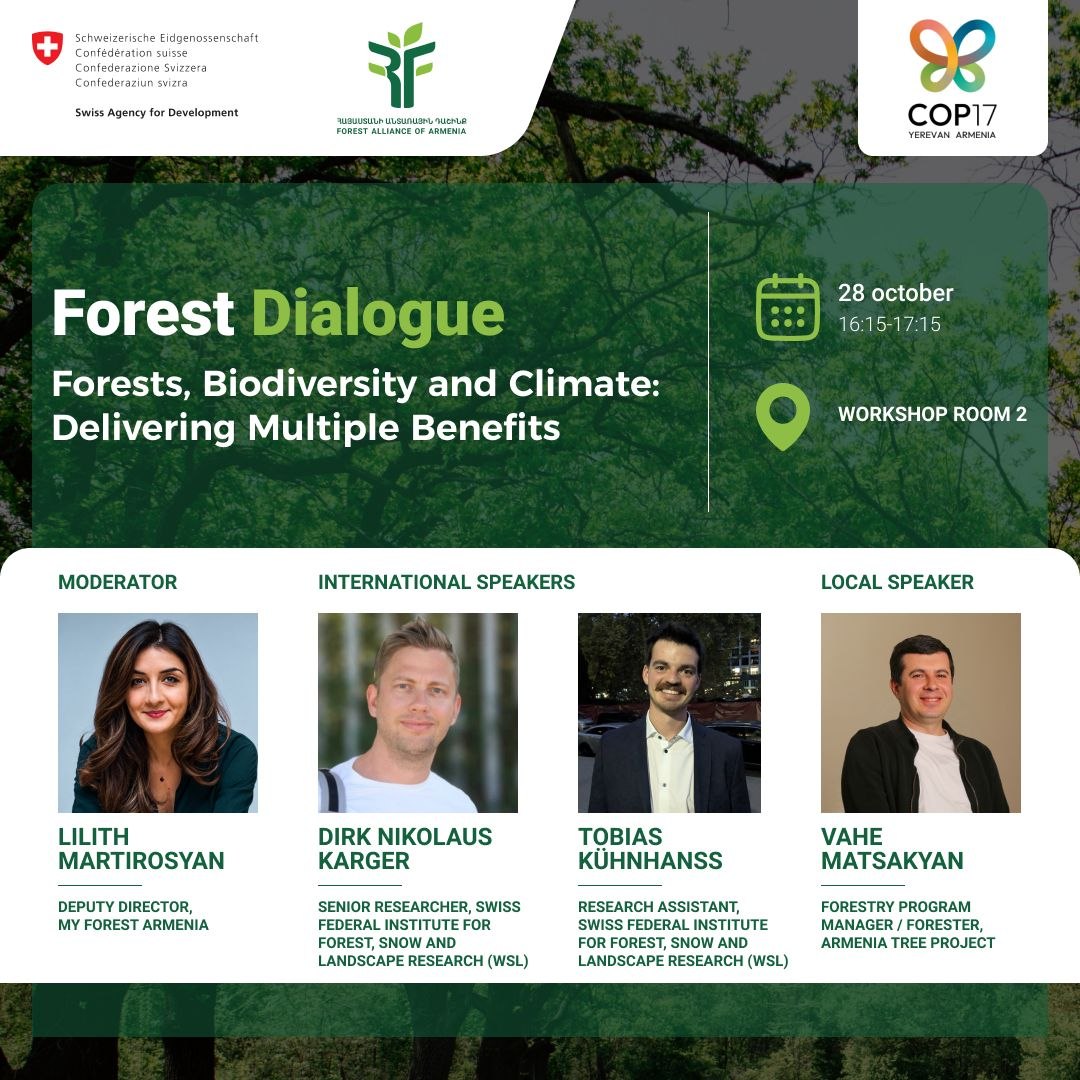
On October 28, within the framework of COP17, a panel discussion titled "Forests, Biodiversity, and Climate: Ensuring Multiple Benefits" will take place in the Green Zone
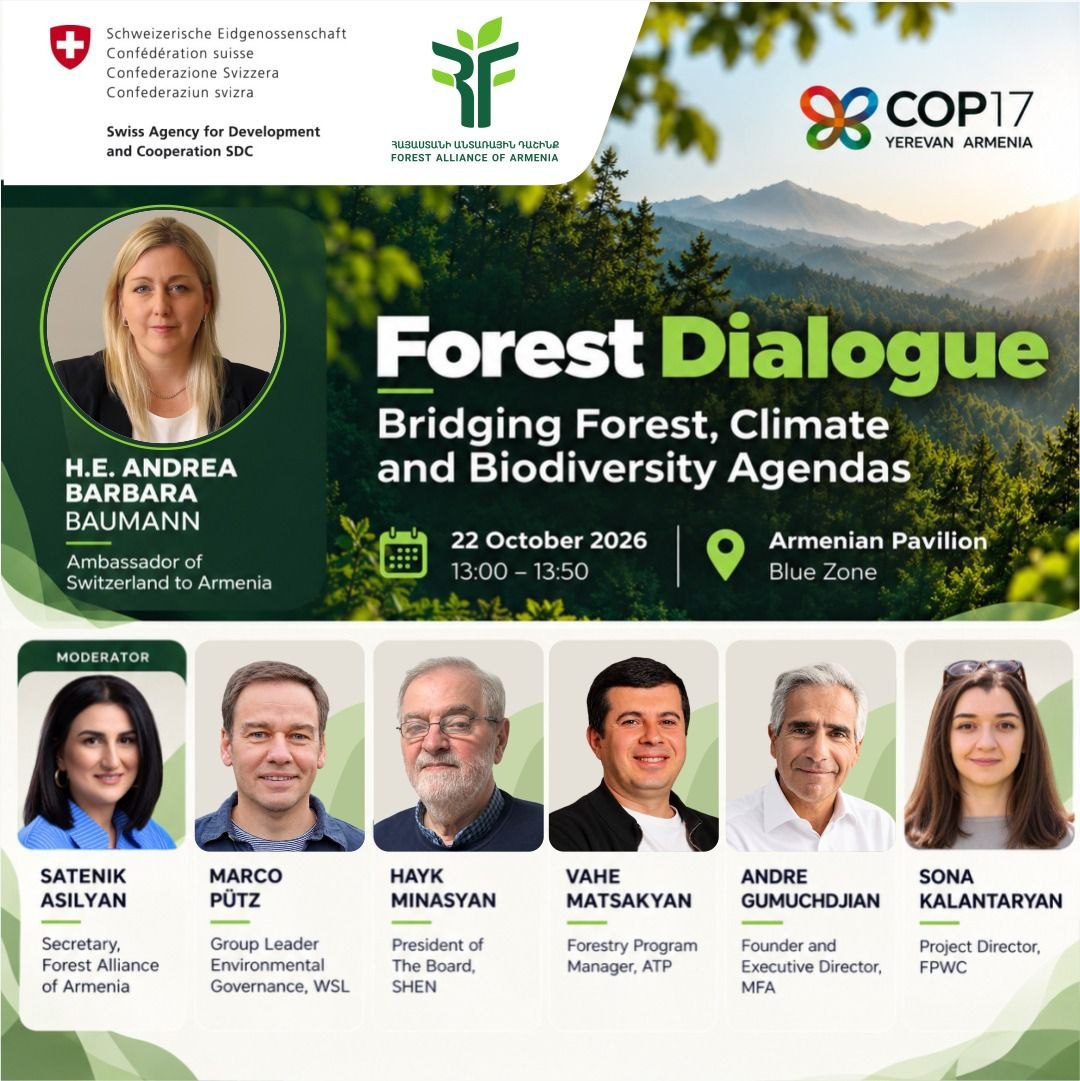
Forest Dialogues in the Blue Zone at COP17
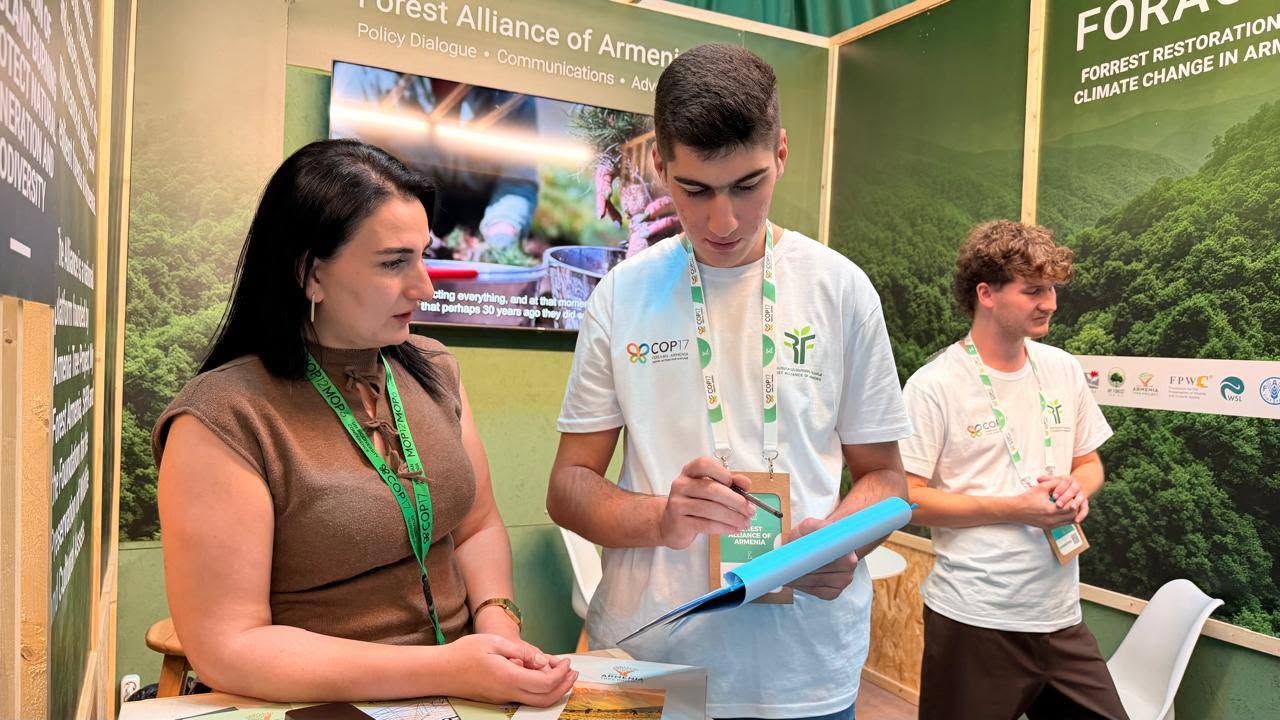
At COP 17, the Forest Alliance pavilion is located in the Green Zone; it is currently one of the most visited pavilions.v
Join the Armenia Forest Alliance’s COP17 volunteer team
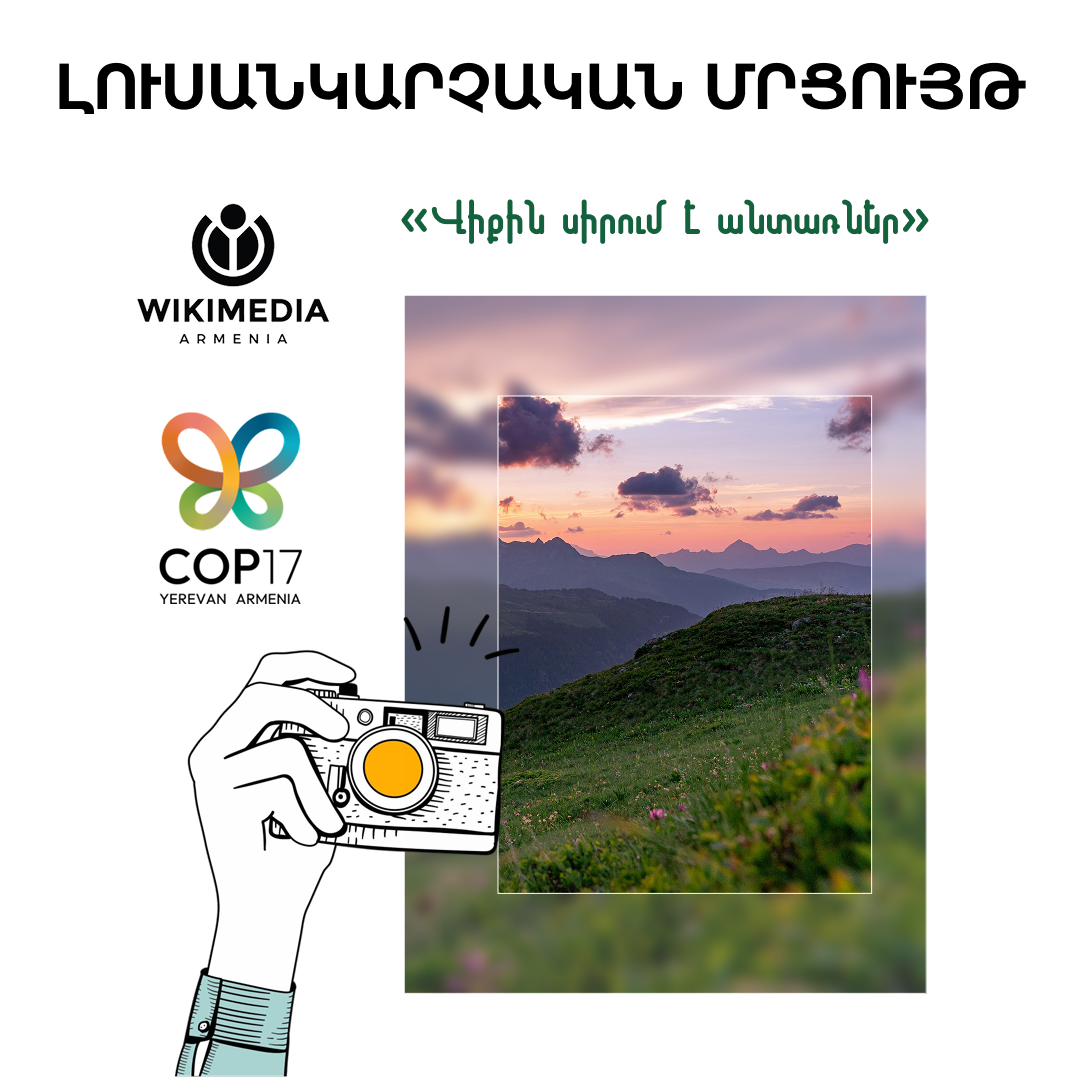
«Vik’imedia Hayastany» Forest Alliance of Armenia/Hayastani_antarrayin_ dashink’i het hamategh, COP17-i shrjanaknerum, septemberi 20-its’ hoktemberi 10-y kazmakerpum e «Hayastani antarrayin kensabazmazanut’yuny» khoragrov lusankarch’akan mrts’uyt’. Mrts’uyt’y masnakits’nerin hnaravorut’yun kta tesnel yev ts’uyts’ tal Hayastani antarrnery tarber tesankyunnerits’, voch’ miayn vorpes landshaft, aylev vorpes kendani yev p’vokhkapakts’vats ekohamakarg. Tsragri shrjanaknerum septemberi 26-in yev hoktemberi 3-in kkazmakerpven arshavner, voronts’ ynt’ats’k’um masnakits’nery petk’ e lusankarahanen antarrayin hamaynapatkerner, antarrayin kensabazmazanut’yan ayl tarrer, voronk’ heto petk’ e verberrnen Vik’ipahest. Lavaguyn 10 lusankarneri heghinaknery kstanan mrts’anakner. Mrts’uyt’y kamp’vop’vi COP17-i ynt’ats’k’um. Arshavnerin grants’velu hamar ants’ek’ hetevyal hghumov, https://forms.gle/f46YXa1tcmfp1ErH7 See less Ещё 852 In collaboration with the Forest Alliance of Armenia and within the framework of COP17, Wikimedia Armenia is organizing a photography contest titled "Forest Biodiversity of Armenia," running from September 20 to October 10.
Armenia's Forest Alliance at COP17
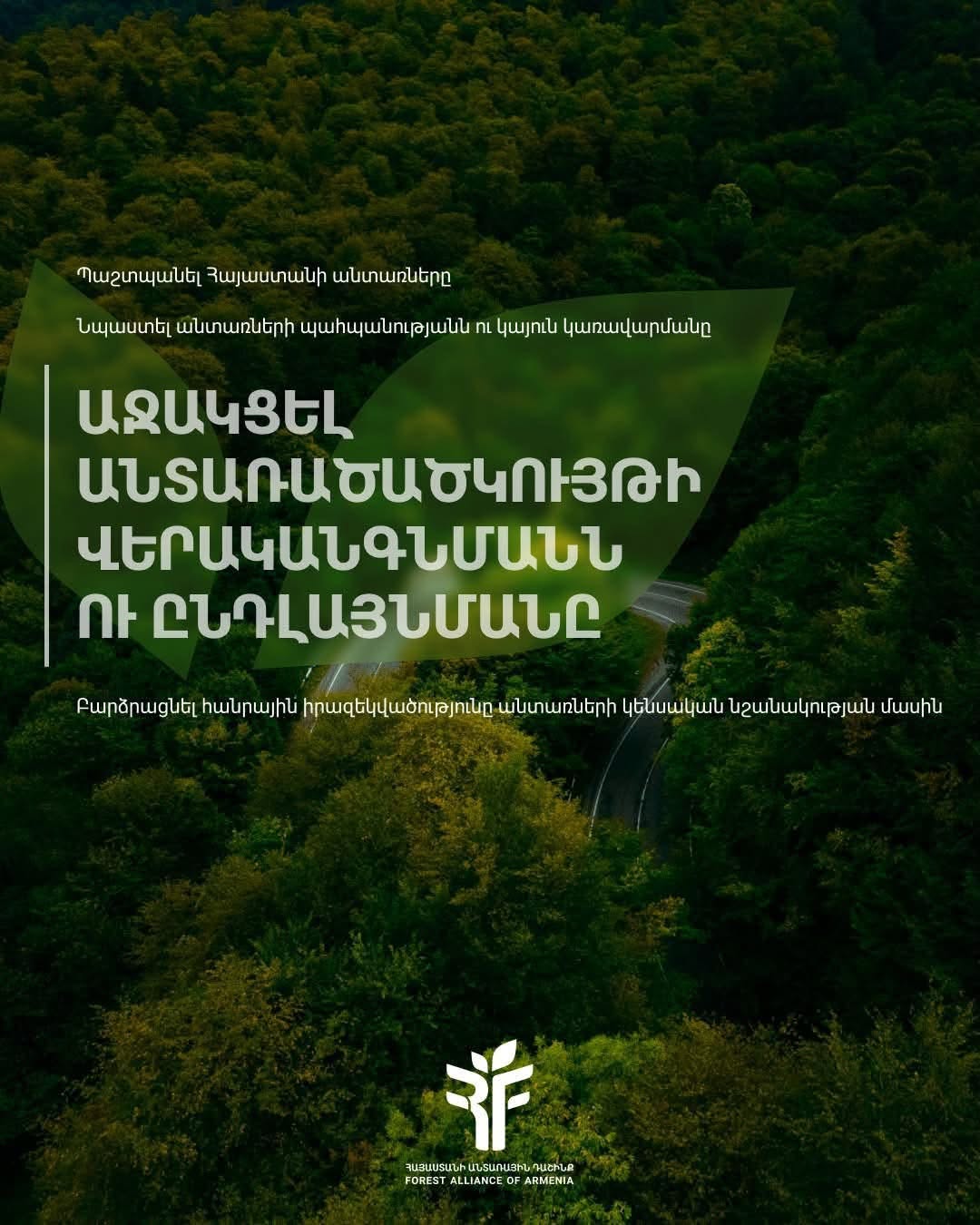
What are the key objectives of the Forest Alliance of Armenia?վ

What is Lorem Ipsum?
Legislative issues were discussed at the 4th round table of the Forest Alliance of Armenia

What is Lorem Ipsum?

What is Lorem Ipsum?
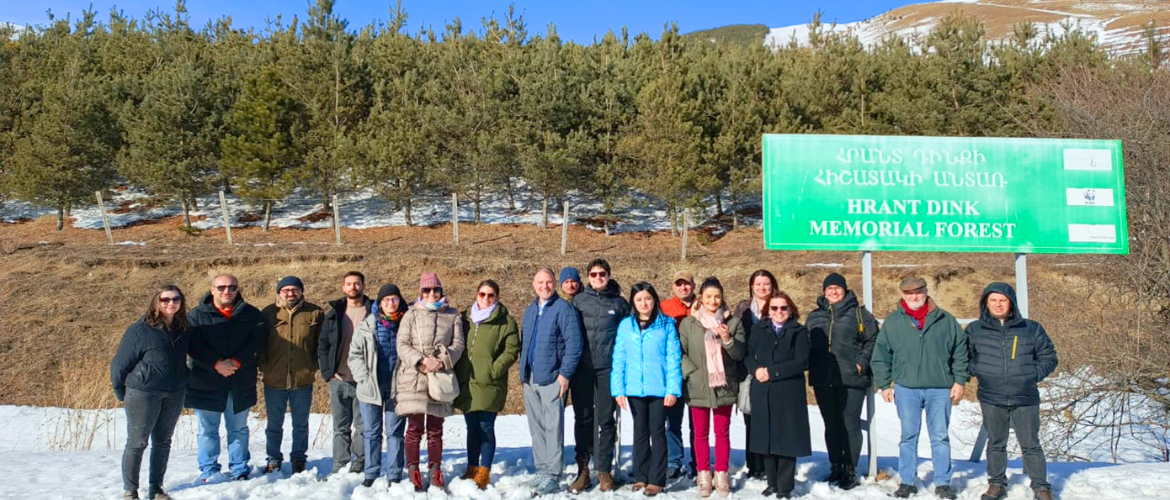
The main phase of the "FORACCA" project has begun
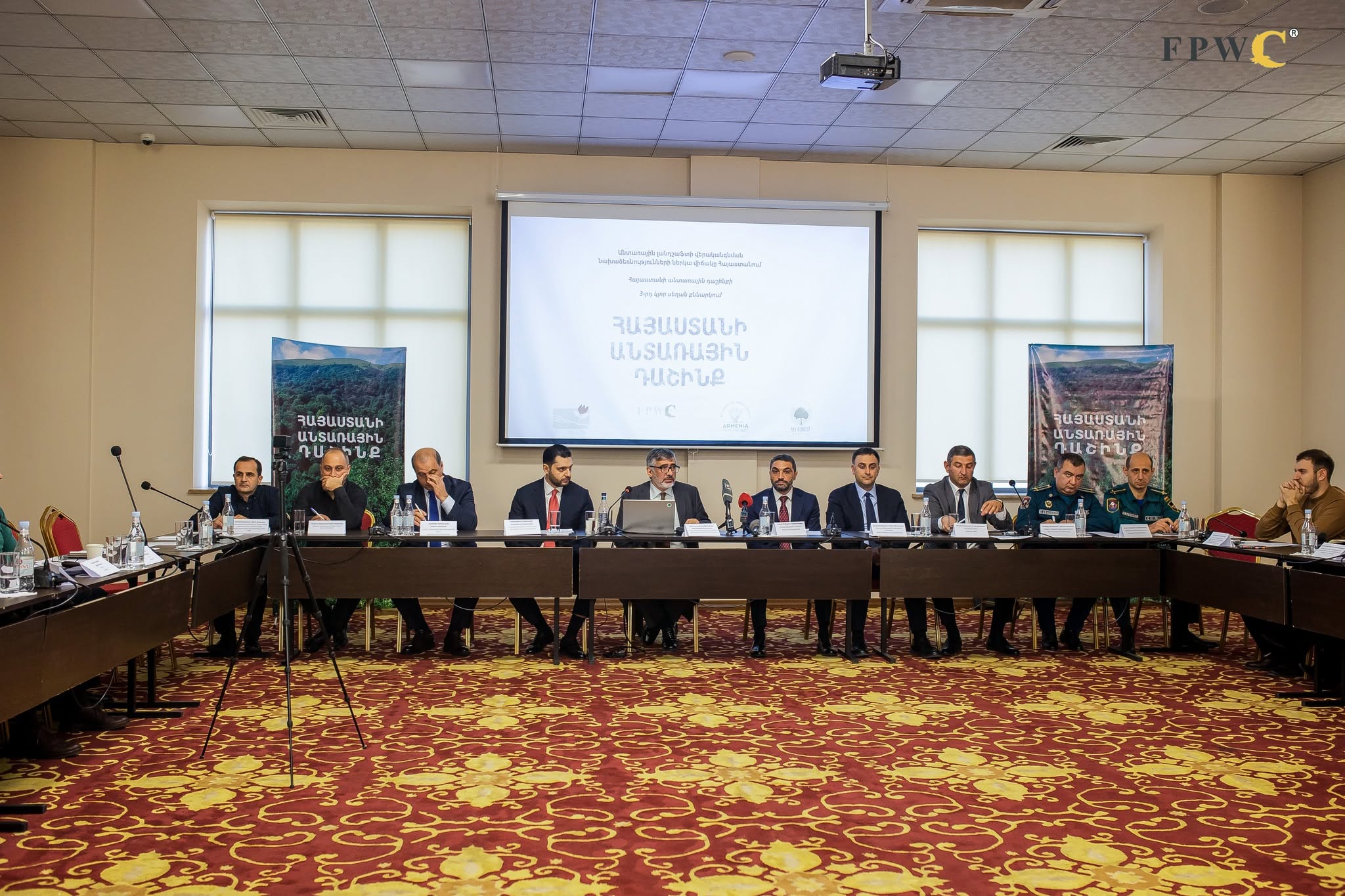
United for Armenia’s Forests: Key Highlights from the Armenian Forest Alliance’s 3rd Roundtable

Round Table 2025
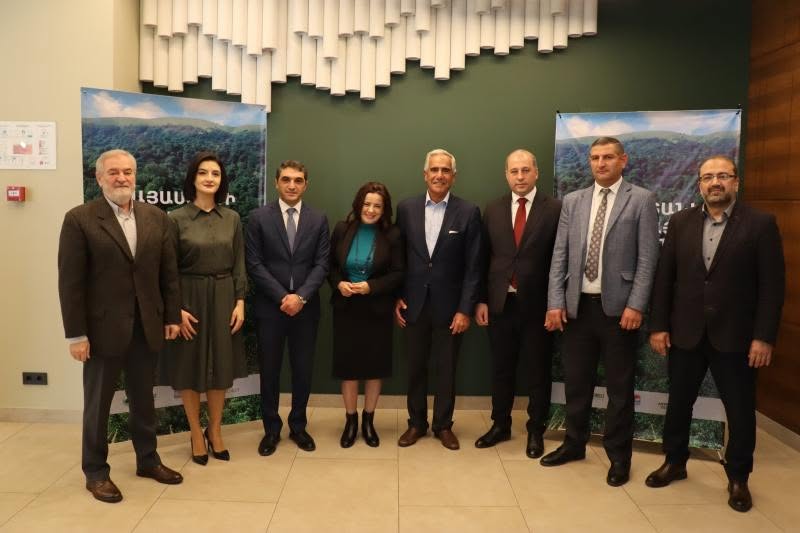
About the Forest Alliance of Armenia

 110 Nalbandyan Str., Yerevan 0001, RA
 +374(60)499 010
 info@forestalliance.am

“This website has been developed with the financial support of the Swiss Agency for Development and Cooperation (SDC). The contents of this website are the sole responsibility of the Forest Alliance of Armenia and can under no circumstances be regarded as reflecting the position of the SDC.”

 News