

Round Table 2025
The 4th Roundtable of the Forest Alliance of Armenia Discussed the Need for New Approaches in Afforestation and Sectoral Legislative Reforms
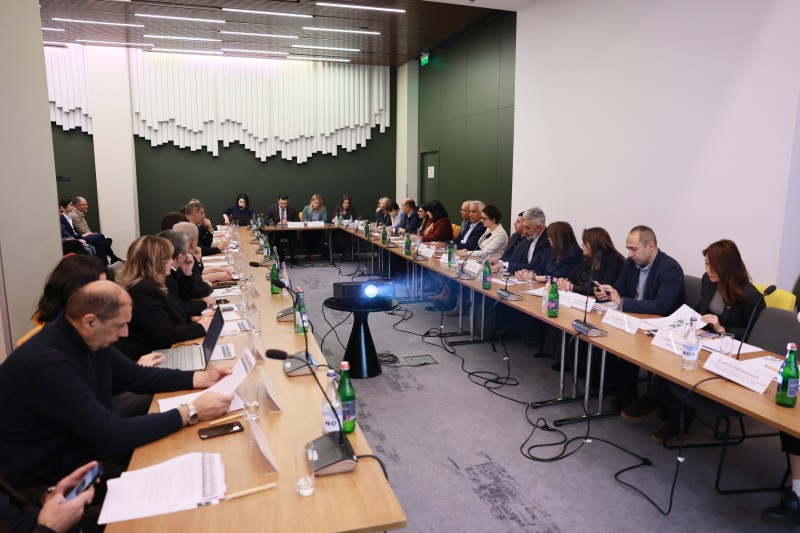
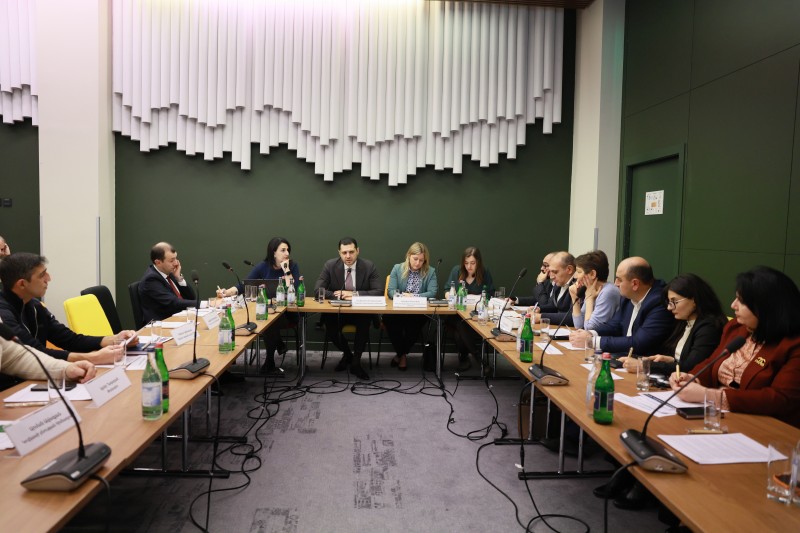
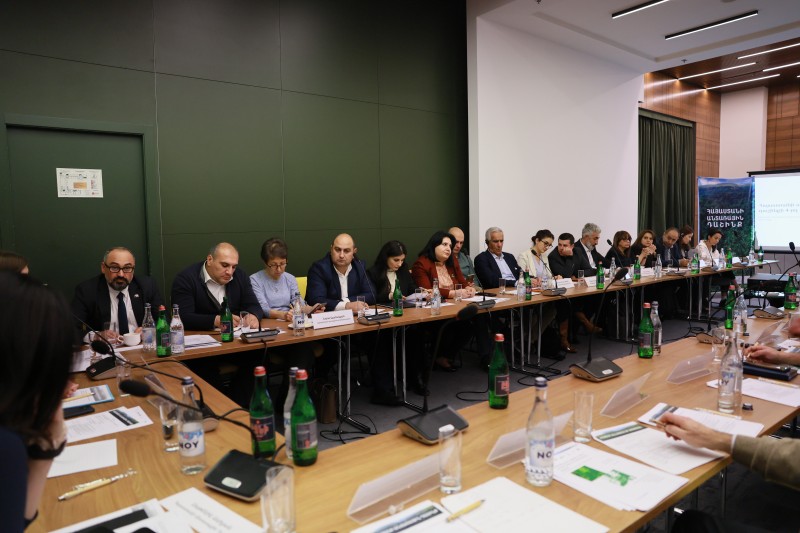
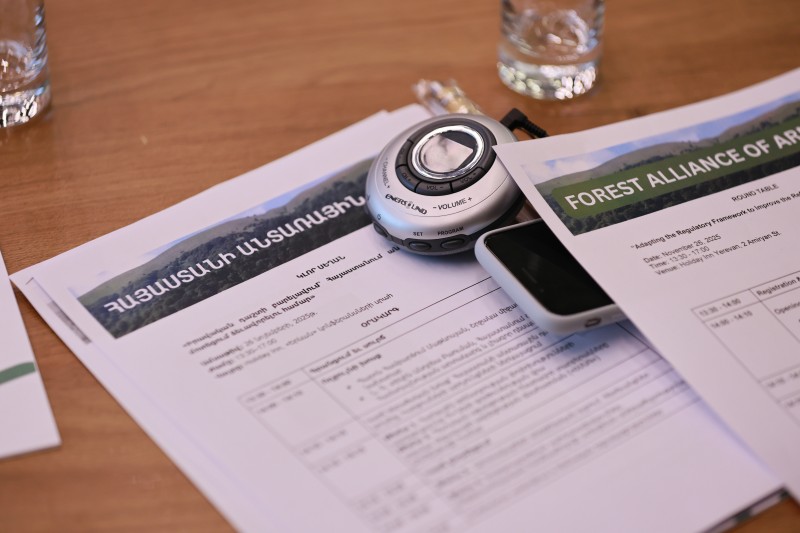
Recently, the 4th roundtable of the Forest Alliance of Armenia (FAA) took place in Yerevan, focusing on the need for legislative changes and adjustments that would enable the development and implementation of new, effective approaches in the field of afforestation in Armenia.
The main topics discussed during this year’s roundtable were:
- Tax policy and its impact on the sector
- Opportunities for improving the Environmental Impact Assessment (EIA) process
- Consequences and impacts of illegal pasture burning
- Land categories and restrictions on land use: the need to establish an inter-institutional working group
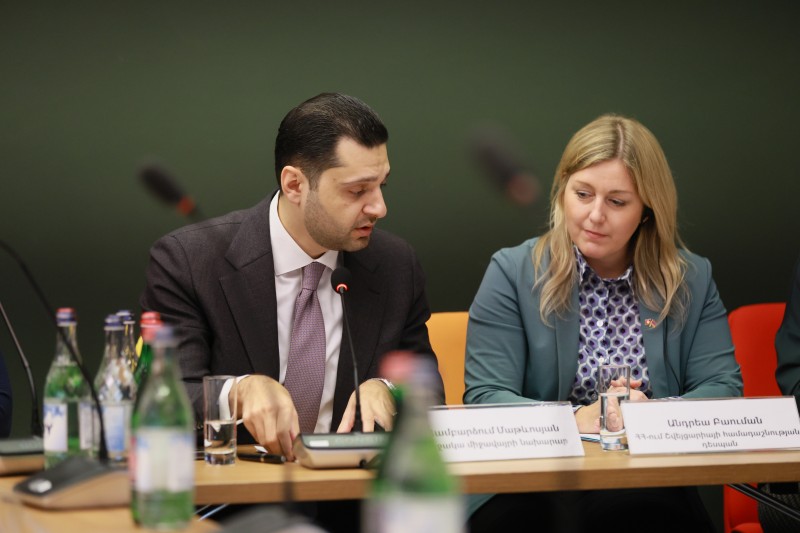
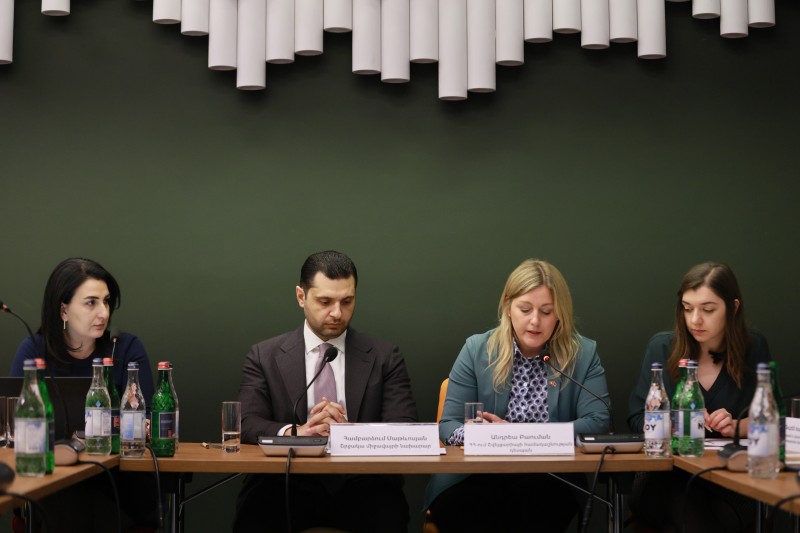
The event was opened with welcoming remarks by Minister of Environment Hambardzum Matevosyan and H.E. Ms. Andrea Bauman, Ambassador Extraordinary and Plenipotentiary of the Swiss Confederation to Armenia.
In his remarks, Minister Matevosyan addressed the forest fires recorded in recent days, which, under conditions of high temperatures, strong winds, and dry weather, pose serious risks to forest resources, settlements, and biodiversity.
Referring to the four discussion topics of the roundtable, Minister Matevosyan emphasized the urgency of sectoral reforms, presenting ongoing efforts and new directions for action.
Regarding tax legislation reforms, the Minister noted:
“We are currently discussing possible changes to the tax legislation with the Ministry of Finance. However, it is very important that today we receive specific and clearly formulated proposals from you, so that we can present them at the level of the authorized body.”
Speaking about the Environmental Impact Assessment (EIA) process, Minister Matevosyan stated:
“I have already instructed the launch of preparations for legislative amendments related to the EIA process. In particular, I have proposed eliminating EIA-related fees for afforestation activities. I do not believe this would create a burden for the Ministry or the Government. We discussed this issue with the Alliance last year, and I hope it will be finally resolved.”
He also noted that following previous legislative amendments related to EIA procedures, there is a need to clarify the concepts of afforestation and reforestation:
“We need to ensure that the objectives of these reforms are implemented through simpler, clearer, and less bureaucratic procedures, so that NGOs and international partners do not face obstacles, including financial ones.”
Addressing the issue of illegal pasture burning, Minister Matevosyan noted that although all necessary regulations are in place, there are still awareness gaps:
“We continue our work with communities to ensure that residents engaged in agricultural activities understand that burning practices directly harm their own livelihoods.”
In March 2025, the main phase of the “Forest Restoration and Climate Change in Armenia” (FORACCA) project, funded by the Swiss Agency for Development and Cooperation, was launched. The project will continue until 2028 and involves organizations that are members of the Forest Alliance of Armenia. The project contributes to the review of sectoral policies, expert work, and strengthening cooperation between the government and civil society.
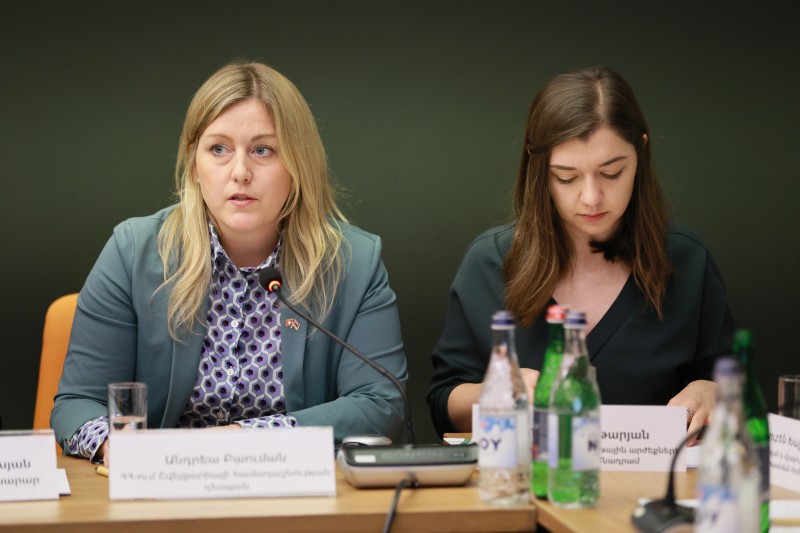
In her welcoming remarks, Ambassador Andrea Bauman highlighted the effective and long-term cooperation between Switzerland and Armenia in the fields of forest restoration and climate resilience, emphasizing that Switzerland will continue supporting Armenia together with governmental, scientific, and civil society partners.
The Ambassador also highlighted the role of the FORACCA project, noting that it introduces advanced scientific approaches and contributes to the development of institutional capacities.
Ambassador Bauman emphasized that large-scale and long-term progress in afforestation in Armenia can only be achieved through a unified, coordinated, and clearly defined policy framework involving government institutions, communities, NGOs, and the private sector.
Highlighting the around-the-clock efforts of relevant authorities to contain forest fires as quickly as possible, Head of the Environmental Protection and Subsoil Inspection Body Hovhannes Martirosyan emphasized the need for improvements in fire prevention and management systems.
Martirosyan presented the consequences and impacts of burning vegetation and leaf litter, as well as statistical data on administrative measures applied by the Inspection Body. He also proposed signing a cooperation memorandum with the Forest Alliance of Armenia and identifying clear areas of collaboration.
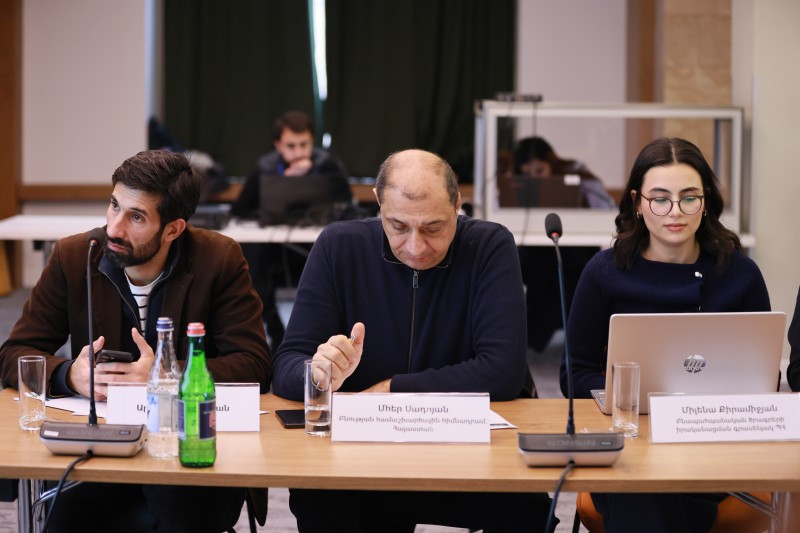
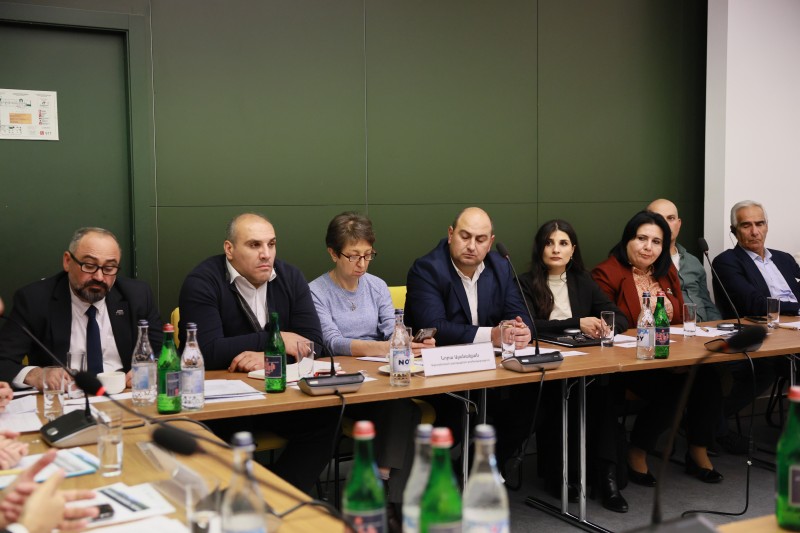
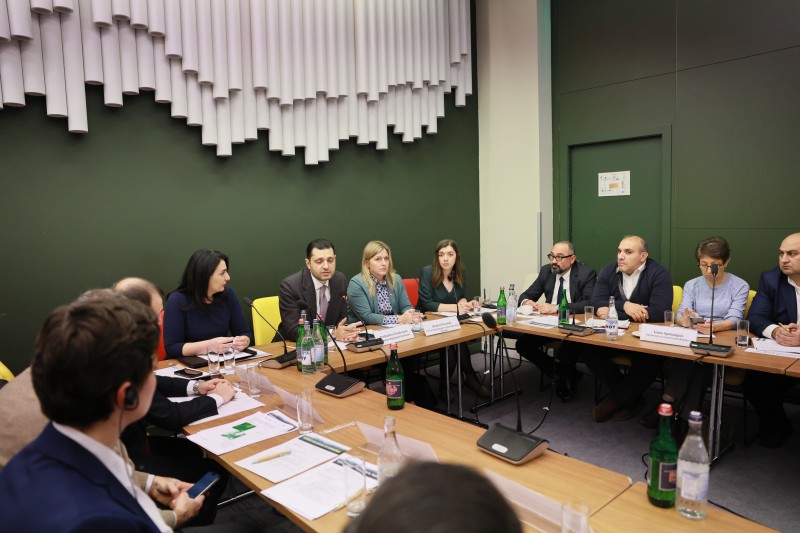
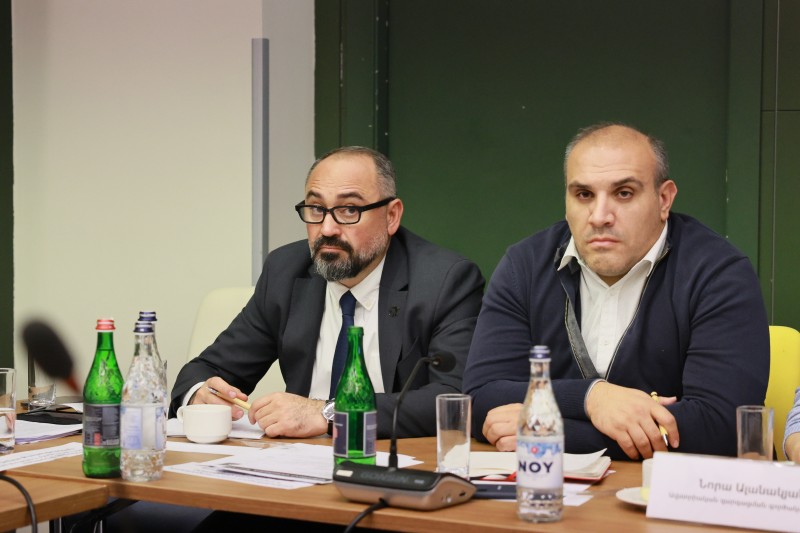
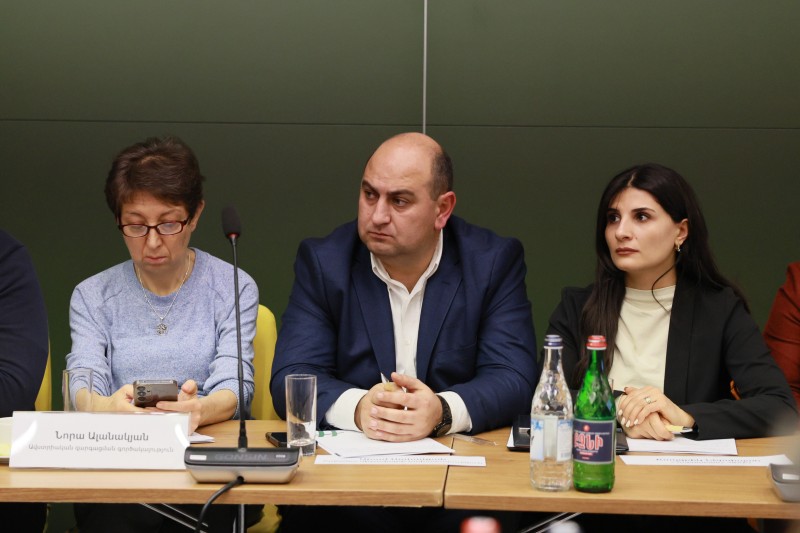
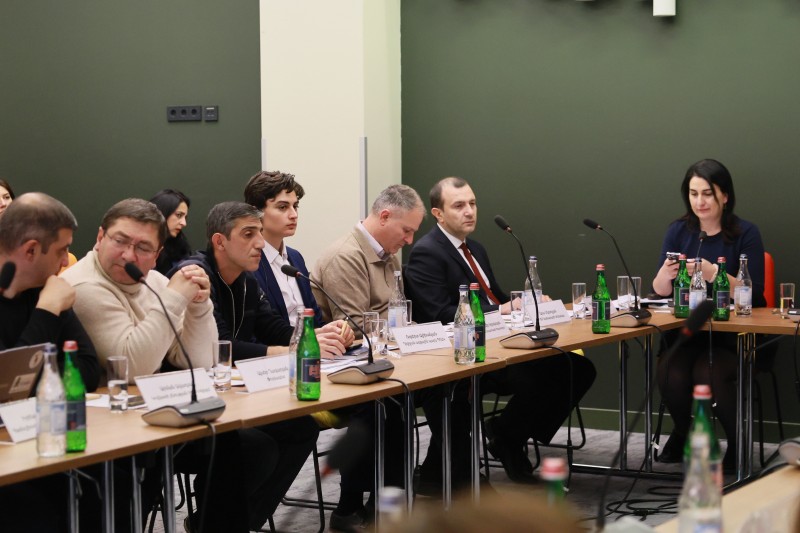
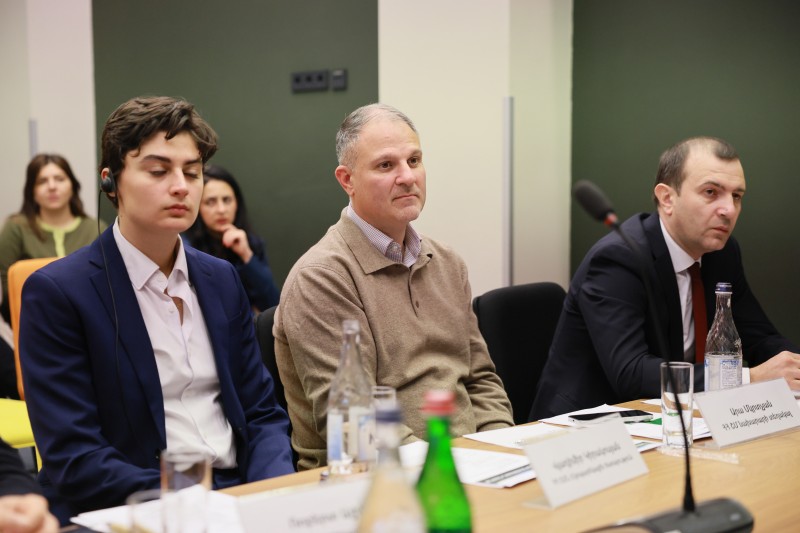
During the roundtable, member organizations of the Forest Alliance presented their concerns and recommendations based on experience accumulated over previous years. Each of the four topics was discussed actively with the participation of forestry specialists, scientific institutions, international organizations, and representatives of public authorities.
The discussions concluded with a shared understanding that, based on the outcomes of the roundtable, a package of recommendations will be prepared and submitted to the Minister of Environment. In addition, a roadmap for legislative reforms and an action plan will be developed to support the implementation of necessary changes in the sector.











 110 Nalbandyan Str., Yerevan 0001, RA